
Integrating SUD Screening & Diagnosis into Your Practice
Dr. Colleen Bell
Tracking Number: 20-1338941
Live Course
Broadcasted Interactive Event
About this course
Substance Use Disorders (SUDs) are serious health conditions which can significantly impact a patient’s physical and mental health. Appropriate screening allows physicians to identify substance use problems early, enabling them to offer interventions and treatment to prevent or reduce harm. Early identification and intervention can also minimize the risk of fatal and non-fatal overdoses and potentially reduce the high healthcare costs associated with untreated SUDs. This CME training course focuses on equipping healthcare professionals with the knowledge and skills needed to effectively screen and diagnose substance use disorders (SUDs). Participants will learn about validated screening tools, risk factors, diagnostic criteria (including DSM-5), and evidence-based treatment approaches for individuals with SUDs.
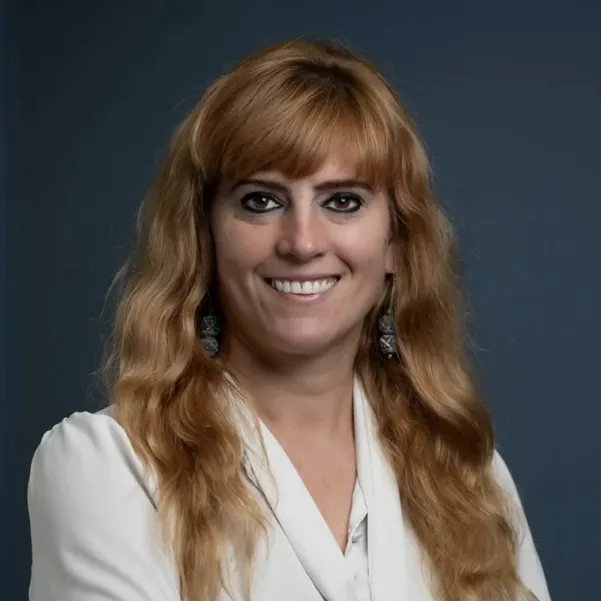
Dr. Colleen Bell
Dr. Bell is the President for the Health Division at Sulzbacher where
she leads the Federally Qualified Healthcare Center Clinics and is
responsible for a staff of over 90 employees. In her role, she also
instructs medical students and residents and is engaged in clinical
care on a weekly basis. Dr. Bell is board-certified by the American
Board of Psychiatry and Neurology and is a Fellow of the American
College of Healthcare Executives and a Distinguished Fellow of the American Psychiatric
Association. Dr. Bell is a current member of the Brooks College of Health Dean’s Council at
University of North Florida and serves as Vice President for the Florida Psychiatric Society
and Secretary for the American Association for Community Psychiatry.
Disclousure Statement
The Florida PDMP Foundation produced this course with funding through the Cooperative Agreement Number NU17CE010222-01-01 from the Centers for Disease Control and Prevention. Its contents are solely the responsibility of the authors and do not necessarily represent the official views of the Centers for Disease Control and Prevention.
Integrating SUD Screening & Diagnosis into Your Practice
Dr. Colleen Bell
Tracking Number: 20-1338941
Live Course
Broadcasted Interactive Event
About this course
Substance Use Disorders (SUDs) are serious health conditions which can significantly impact a patient’s physical and mental health. Appropriate screening allows physicians to identify substance use problems early, enabling them to offer interventions and treatment to prevent or reduce harm. Early identification and intervention can also minimize the risk of fatal and non-fatal overdoses and potentially reduce the high healthcare costs associated with untreated SUDs. This CME training course focuses on equipping healthcare professionals with the knowledge and skills needed to effectively screen and diagnose substance use disorders (SUDs). Participants will learn about validated screening tools, risk factors, diagnostic criteria (including DSM-5), and evidence-based treatment approaches for individuals with SUDs.
Dr. Colleen Bell
Dr. Bell is the President for the Health Division at Sulzbacher where
she leads the Federally Qualified Healthcare Center Clinics and is
responsible for a staff of over 90 employees. In her role, she also
instructs medical students and residents and is engaged in clinical
care on a weekly basis. Dr. Bell is board-certified by the American
Board of Psychiatry and Neurology and is a Fellow of the American
College of Healthcare Executives and a Distinguished Fellow of the American Psychiatric
Association. Dr. Bell is a current member of the Brooks College of Health Dean’s Council at
University of North Florida and serves as Vice President for the Florida Psychiatric Society
and Secretary for the American Association for Community Psychiatry.
Disclousure Statement
The Florida PDMP Foundation produced this course with funding through the Cooperative Agreement Number NU17CE010222-01-01 from the Centers for Disease Control and Prevention. Its contents are solely the responsibility of the authors and do not necessarily represent the official views of the Centers for Disease Control and Prevention.